
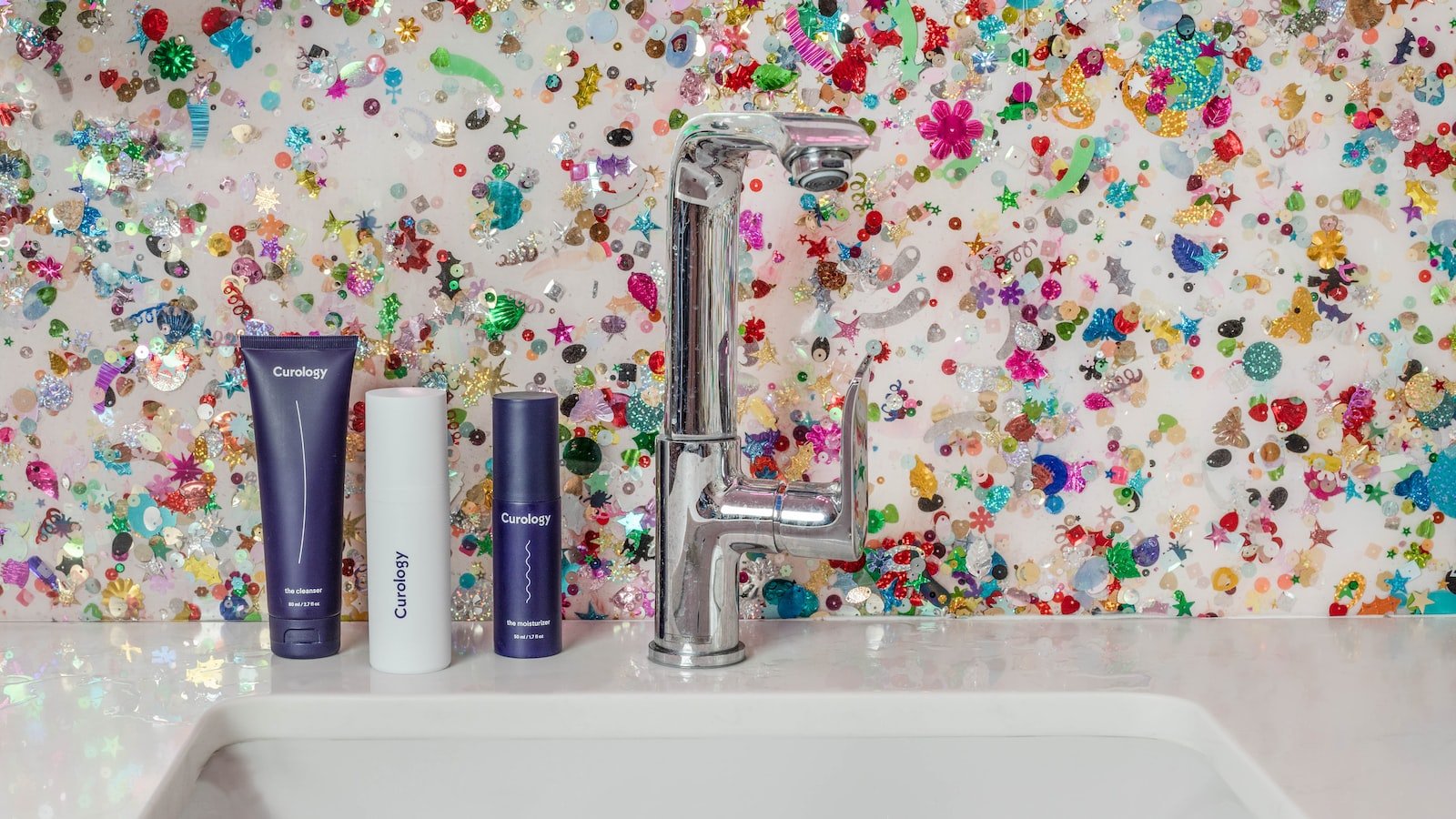


Whether you live in a sweltering desert or a chilly tundra, the climate has likely had an effect on your skin at one point or another. Thankfully, determining the best skincare routine for your environment isn’t too much work. Read on to find out how to adapt your skincare routine to the environmental factors that affect your skin.
1. The Power of Climate on Skin Health
As a body of knowledge, the effects of climate on skin health remain relatively underexplored. But that’s changing. With advances in technology, dermatologists and scientists are able to explore the relationship between climate and skin health with greater accuracy than ever before.
One truth stands out following studies: that temperature and humidity levels certainly affect the state of skin. In hot summer months, a combination of high temperatures and humidity can lead to water loss and inflammation. As a result, bacteria and fungi – which thrive in warm, damp climates – can cause a variety of skin problems.
The good news is that there are steps you can take to protect your skin health in any weather. You can start by spending more time indoors with air conditioning on hot days, while keeping skin moisturised and hydrated.
5 Tips to Keep Skin Healthy During Hot Weather:
- Protect your skin against the sun with sunscreen and a wide-brimmed hat.
- Minimise time spent in direct sunlight.
- Keep skin hydrated using moisturisers with hydrators.
- Drink plenty of water and other fluids to stay hydrated.
- Consider using an antioxidant serum for an extra layer of protection.
The bottom line is that skin can suffer in many climates. Keeping your skin healthy and hydrated should be a priority no matter where you are. If you’re exposing your skin to the elements, take extra precautions to make sure it’s properly protected.
2. Making Adjustments for the Weather
While planning any event, the weather has to be taken into consideration. Whether it is rain or shine, these tips will help you make the necessary adjustments depending on the forecast.
- Check the forecast: Get the event location’s weather clearly mapped out and make sure to check multiple sources for accurate information.
- Early prep: Since weather can be unpredictable, get a few moves ahead and plan things like light covers, umbrellas or additional space to be set up or transported to the event if needed.
- Design accordingly: Take the weather into account during the designing process for the event – look into options like setting up a canopy to protect guests from the sun or rain.
- Plan for hardware: Stock up on items like large plastic sheets to close off areas or gas heaters for cold weather and make sure these can be set up quickly if needed.
It is best practice to ask guests to come prepared for all kinds of weather if the event is outdoors – give them an option of different clothing or other accessories to cope with the weather.
Make sure the event is mindful of everyone’s safety. If strong winds or other extreme weather presents itself, it would be beneficial to shift the event indoors, move up the start time, or postpone the eve to a later date.
Being mindful of the weather will take some of the stress away and ensure that the event will be a success no matter what the conditions!
3. Finding the Right Balance of Skincare for Your Climate
Different parts of the world have different climates that can impact how your skin looks and feels. Knowing how to find the right balance of skincare to match your climate can go a long way in keeping your skin healthy.
In drier climates such as the desert, a gentler and more nourishing approach to skincare is required. Your skin needs added moisture because of the dry air and lack of humidity. There are many products on the market that cater specifically to this climate such as moisturizers with added oils and humectants like hyaluronic acid. Serums that are lightweight and easily absorbed can add needed hydration while allowing the skin to breathe.
In more humid climates, it is important to not overload the skin with too many products. Men and women in tropical and humid climates may need to switch to products that help to balance the skin. Lightweight gels and creams are a great way to hydrate the skin without clogging pores. Exfoliation is also an important part of any skincare routine, regardless of climate. Scrubs and chemical exfoliants can help to remove dead skin cells, allowing new vibrant skin to shine through.
A good rule of thumb is to start light, regardless of climate. Simple and gentle products are best, but as skin changes due to different climates, your skincare routine may need to adjust to match. If skin becomes dry, patchy or irritated, add more nourishing products and fewer products that are overly fragrant.
Heavier creams and more robust serums can be used during colder months when skin tends to need added moisture. But always remember, less is more. It is easy to overload the skin with all sorts of creams and serums, leading to a buildup of product that clogs pores and can even change skin’s pH. doesn’t need to be complicated. Start with light and simple products, add heavier products when needed, and always give your skin time to adjust to any new products.
4. Combatting Environmental Stressors on Your Skin
As the environment changes, so does the stress that is placed on our skin. With increasing levels of sun exposure, chemical pollutants, and other environmental toxins, our skin needs more protection than ever before.
Sun protection: One of the most common environmental stressors on our skin is harmful UV radiation from the sun. Fortunately, there are lots of ways to protect our skin from the sun’s damaging rays. Wearing sunscreen is key. Look for a sunscreen with an SPF of 30 or more that has broad-spectrum protection against both UVA and UVB rays. A wide-brimmed hat and sunglasses can help shield skin from the sun as well.
Cleansing your skin: It’s important to remove dirt, makeup, and other contaminants from the skin. Choose a gentle cleanser that won’t strip natural oils from the skin. Avoid products with harsh ingredients and look for those labeled “paraben-free” and “phthalate-free.”
Using an antioxidant serum: Antioxidants can help protect your skin from harmful free radical damage caused by environmental stressors. Look for an antioxidant serum with ingredients like vitamin C, vitamin E, and green tea extracts to help fight free radical damage.
Upgrading your moisturizer: Moisturizers can help protect your skin from environmental stressors. Look for a moisturizer with ceramides, hyaluronic acid, and natural oils help to protect the skin from moisture loss and keep skin hydrated and healthy.
- Wear sunscreen with an SPF of 30 or more
- Choose a gentle face cleanser
- Invest in an antioxidant serum
- Look for moisturizers with ceramides and hyaluronic acid
By taking a few simple steps to protect your skin, you can help combat the environmental stressors that can damage your skin. Protecting your skin now can help prevent signs of premature aging and skin damage down the road.
Whatever climate you find yourself in, adapting your skincare routine is key for your skin’s health. Taking into account the weather, humidity, and all other environmental factors, you’ll be sure to keep those glowing skin days coming through rain or shine.